
Discovering the Power of Heavy Duty Universal Joints in Industrial Applications
In the world of industrial machinery, the heavy duty universal joint stands out as a critical component for transmitting power efficiently across misaligned shafts. This robust device ensures seamless operation in demanding environments, from heavy construction equipment to manufacturing lines. As industries push the boundaries of performance, understanding the heavy duty universal joint becomes essential for optimizing system reliability and productivity.
Understanding the Core Features of a Heavy Duty Universal Joint
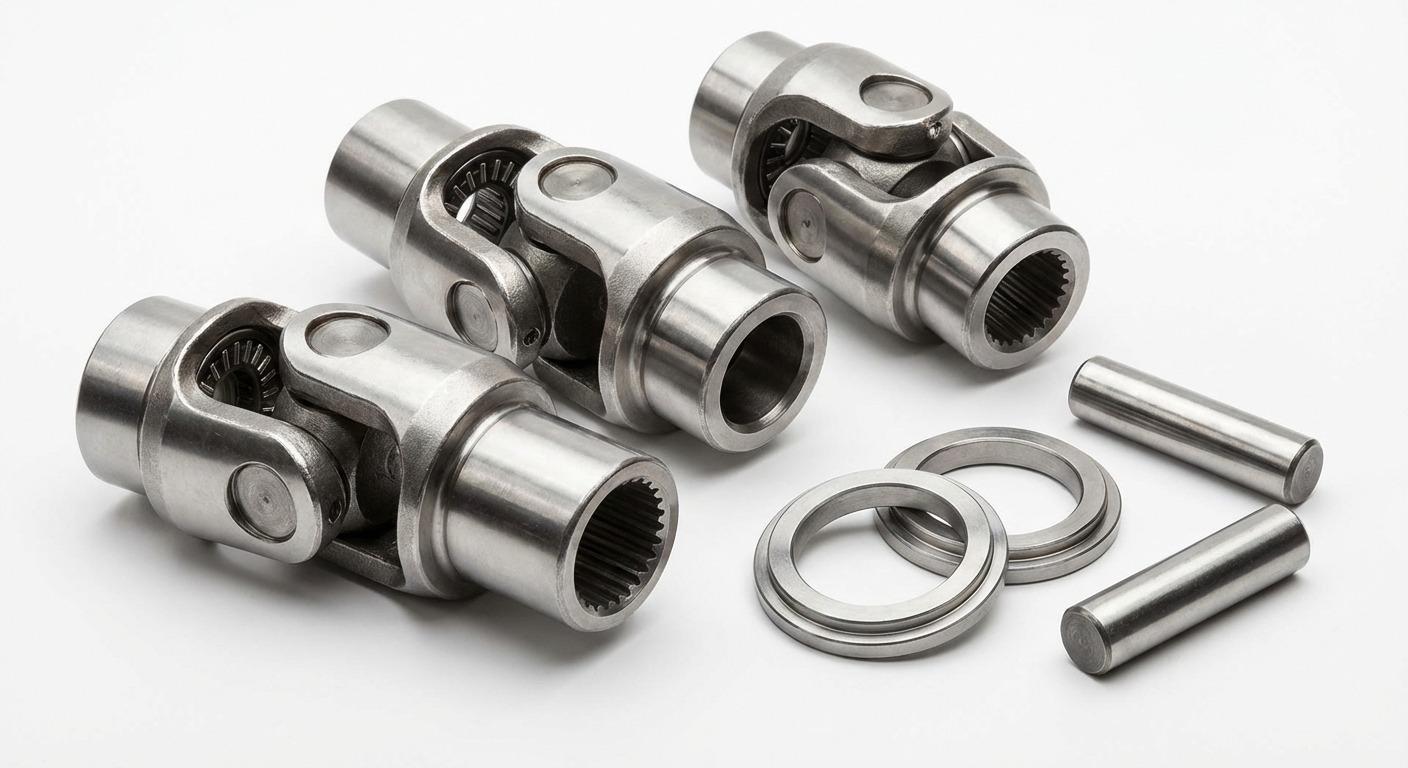
A heavy duty universal joint is engineered to handle extreme torque loads and rotational speeds, making it indispensable in applications where standard joints would fail. Typically constructed from high-strength alloy steels, these joints feature a cross-shaped core connected to yokes that allow for angular flexibility. This design accommodates misaligned shafts without compromising power transmission, a key advantage in real-world setups where perfect alignment is rare.
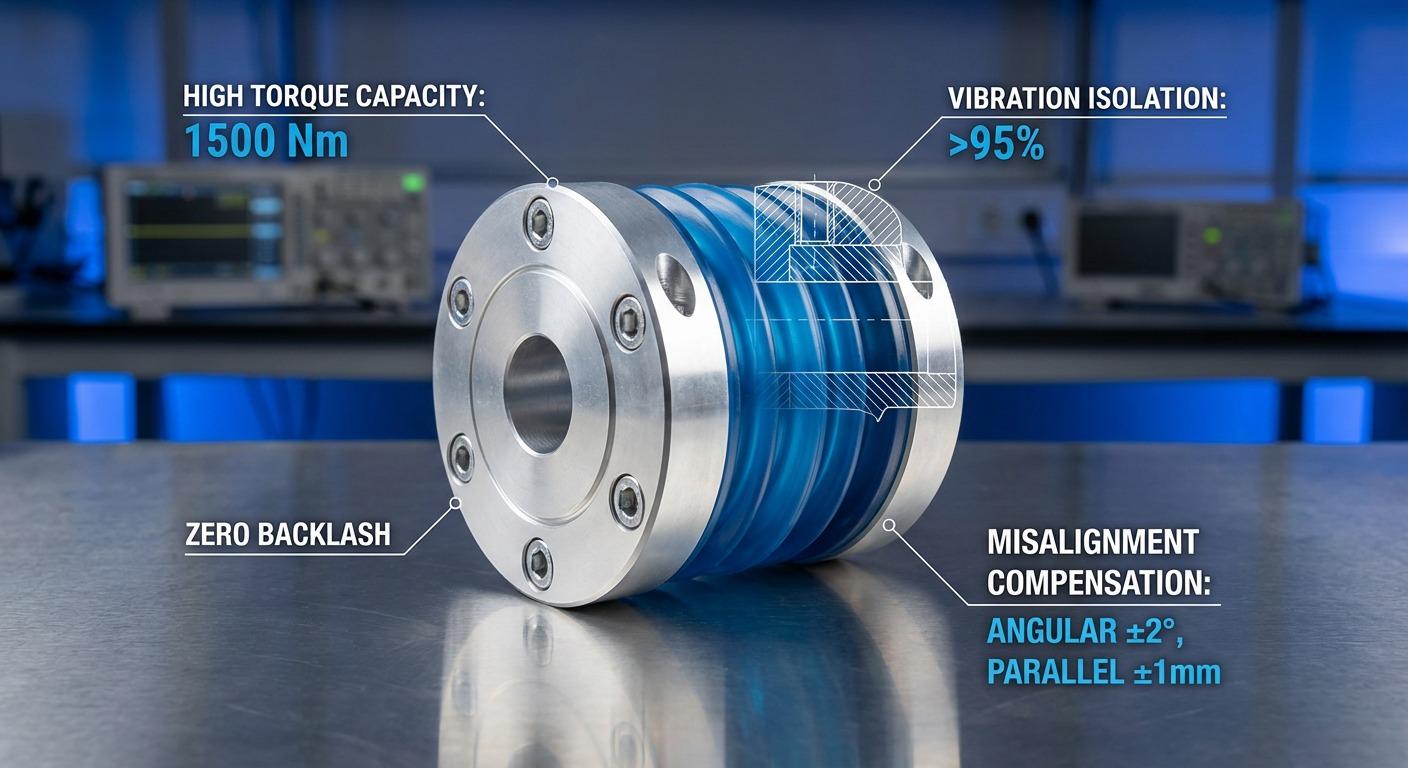
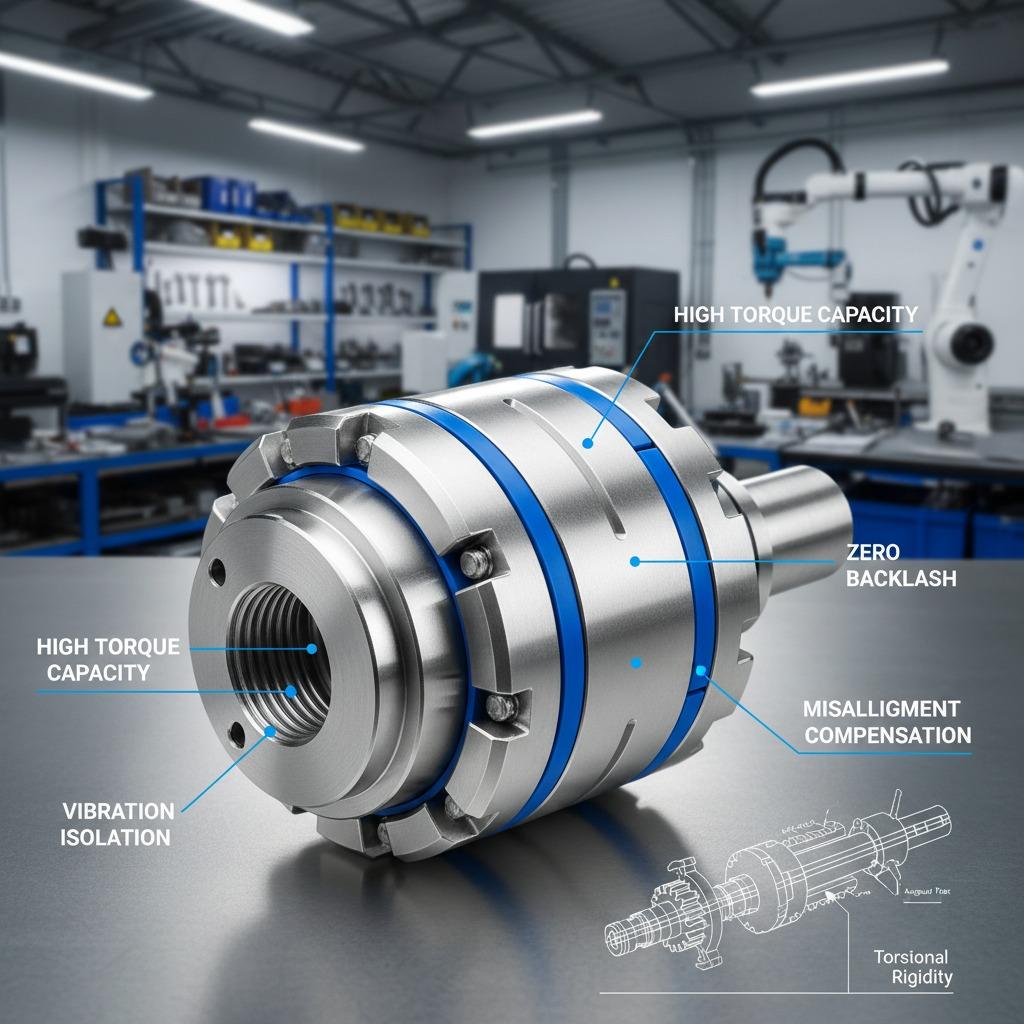
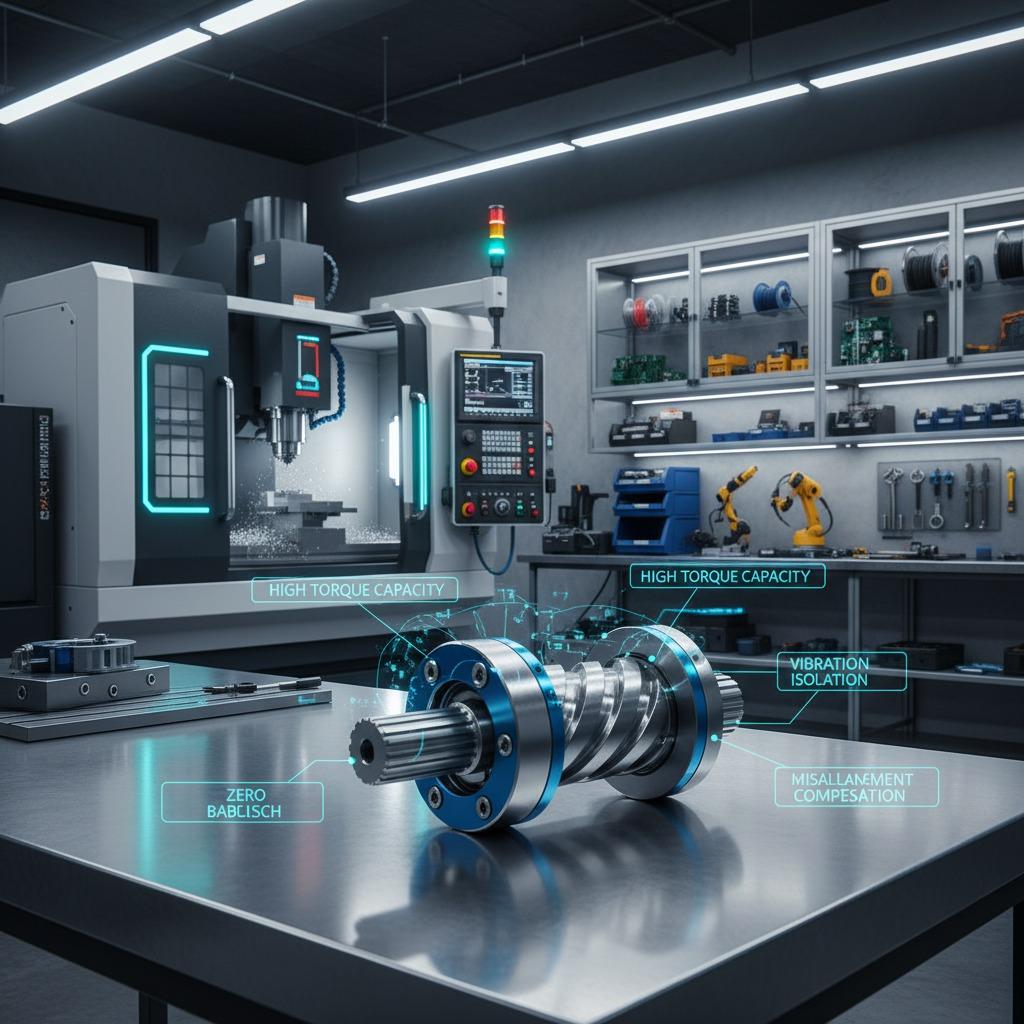
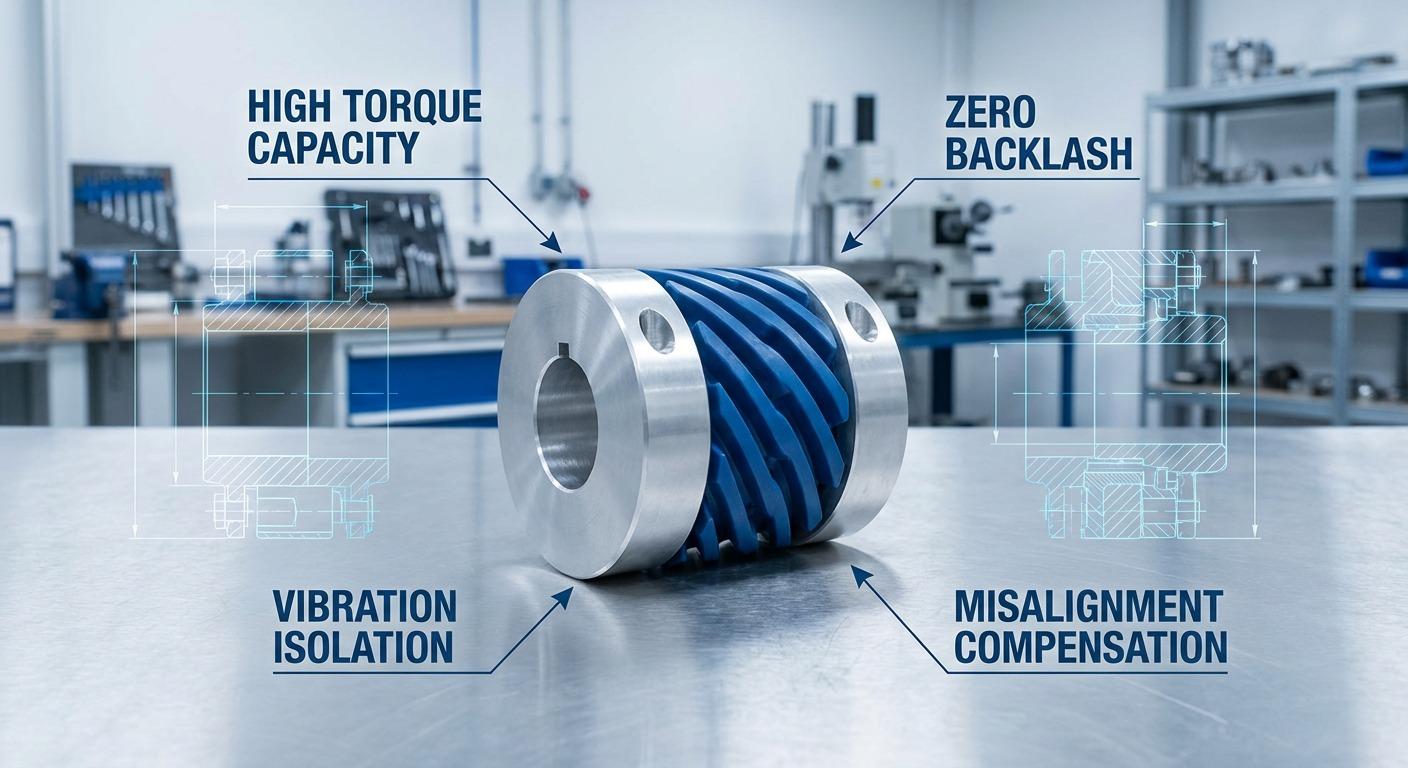
One standout feature is its torque capacity, often exceeding 1500 Nm, which supports heavy-duty operations in sectors like mining and agriculture. The absence of backlash ensures precise motion control, preventing vibrations that could lead to premature wear. Moreover, with misalignment compensation up to ±2 degrees angularly and ±1 mm parallelly, it maintains efficiency even under imperfect conditions. Vibration isolation rates above 95% further enhance its appeal by reducing noise and extending the lifespan of connected machinery.
These joints are precision-machined to eliminate play, providing smooth torque transfer that is vital for high-stakes environments. Whether linking a motor to a gearbox or connecting drive shafts in vehicles, the heavy duty universal joint delivers consistent performance, minimizing downtime and maintenance costs.
Applications and Benefits in Heavy-Duty Industries
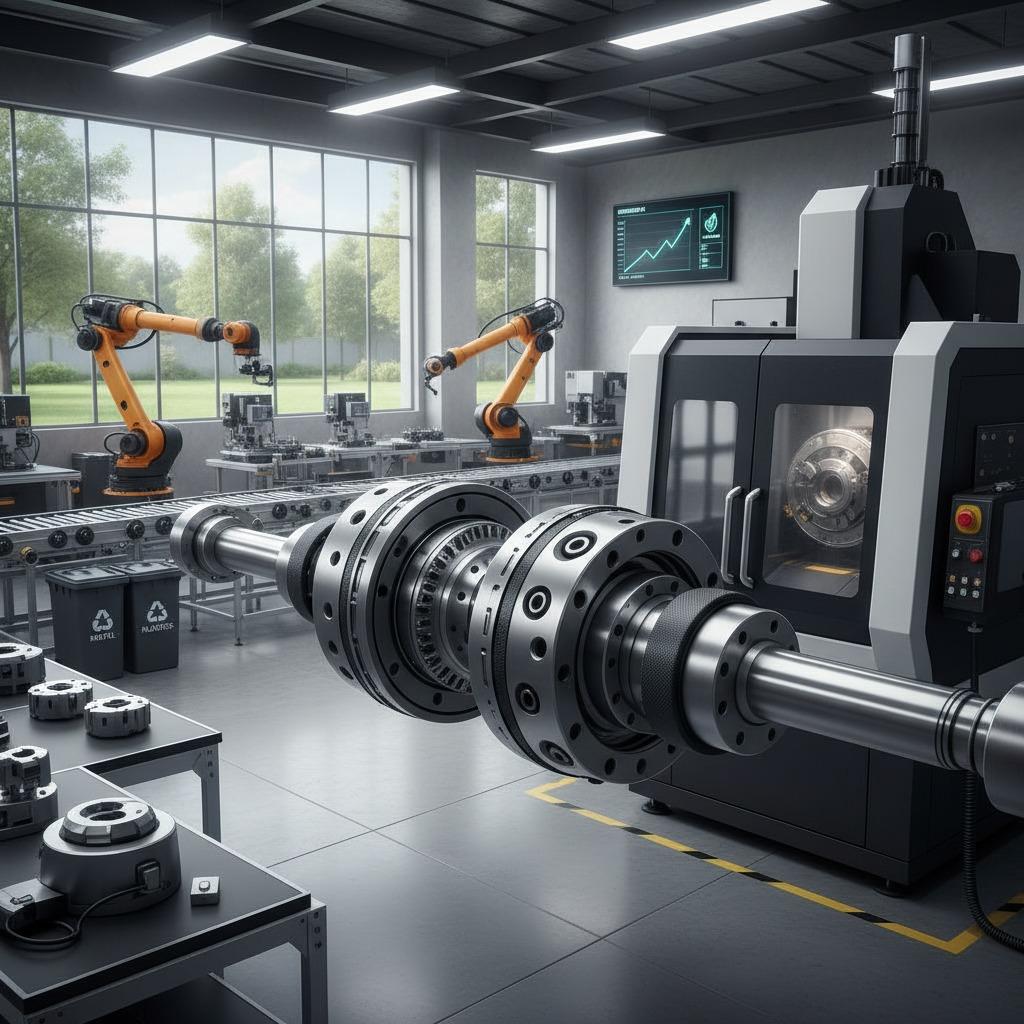
The versatility of the heavy duty universal joint shines in various industrial applications. In automotive manufacturing, it powers drivetrains in heavy trucks, ensuring power reaches the wheels despite suspension movements. Construction sites rely on these joints for excavators and cranes, where they withstand the rigors of uneven terrain and heavy loads. In the energy sector, wind turbines and oil rigs benefit from their durability, transmitting rotational energy reliably under constant stress.
Beyond robustness, the heavy duty universal joint offers significant cost savings. By isolating vibrations, it protects sensitive components, reducing repair frequency and operational interruptions. Its zero-backlash operation enhances accuracy in CNC machines and robotic arms, improving overall production quality. For industries prioritizing safety, the joint's reliable performance prevents failures that could lead to hazardous situations.
Engineers appreciate how these joints integrate seamlessly into existing systems, often requiring no custom modifications. Their compact design saves space without sacrificing strength, making them ideal for retrofitting older equipment. In essence, incorporating a heavy duty universal joint translates to enhanced efficiency, lower long-term expenses, and superior system integration.
Choosing the Right Heavy Duty Universal Joint for Your Needs
Selecting an appropriate heavy duty universal joint involves evaluating factors like torque requirements, shaft sizes, and environmental conditions. Start by assessing the maximum load your application will encounter; a joint rated for 1500 Nm or higher ensures safety margins. Consider the operating speed—high-RPM setups demand joints with balanced designs to avoid resonance issues.
Material choice is crucial: stainless steel variants resist corrosion in marine or chemical environments, while carbon steel suffices for dry, indoor use. Look for features like sealed bearings to keep contaminants out, prolonging service life. Misalignment tolerances should match your setup's deviations; ±2 degrees angular and ±1 mm parallel offsets cover most scenarios without efficiency loss.
Testing and certification add confidence—opt for joints compliant with ISO standards for quality assurance. Maintenance is straightforward; regular lubrication prevents friction, and visual inspections catch wear early. By prioritizing these elements, you ensure the heavy duty universal joint not only meets but exceeds expectations, driving industrial success.
Advancements and Future Trends in Heavy Duty Universal Joint Technology
Innovation continues to evolve the heavy duty universal joint, with recent developments focusing on smart integration and sustainability. Sensor-embedded versions monitor torque and vibration in real-time, enabling predictive maintenance via IoT connectivity. This data-driven approach minimizes unexpected breakdowns, optimizing uptime in automated factories.
Material science breakthroughs introduce lighter composites that maintain strength, reducing energy consumption in mobile applications. Eco-friendly lubricants and recyclable components align with green manufacturing goals, appealing to environmentally conscious industries. Enhanced vibration damping, surpassing 95% isolation, integrates advanced polymers for quieter, smoother operations.
As automation grows, these joints adapt to hybrid systems combining electric and hydraulic power. Future designs may incorporate self-aligning mechanisms, further simplifying installations. Embracing these advancements positions businesses at the forefront of efficiency, ensuring the heavy duty universal joint remains a cornerstone of industrial progress.
In summary, the heavy duty universal joint exemplifies engineering excellence, bridging the gap between power and precision in challenging conditions. Its role in boosting reliability and performance underscores its value across diverse sectors, promising enduring benefits for those who integrate it thoughtfully.